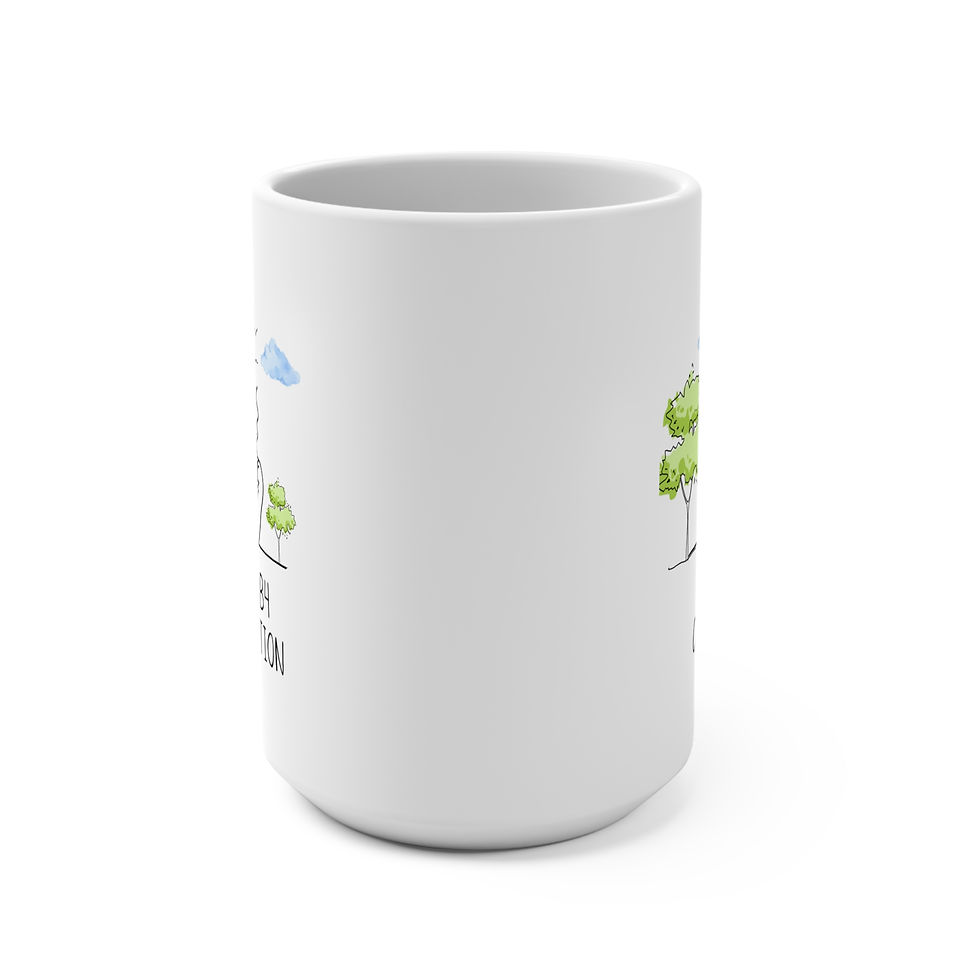
Fill Your Cup First Self Care When You Feel Empty

Some days, the cup does not feel half full or half empty. It feels dry.
You wake up already tired. A text comes in from someone who needs support, and you love them, but the thought of responding feels heavy. A family member asks for one more favor. A coworker, neighbor, partner, child, or friend needs patience you cannot seem to find. You want to be kind. You want to show up. But there is a quiet, honest part of you whispering, “I have nothing left to give.”
That feeling can bring guilt. It can make you wonder if you are selfish, distant, or failing the people you care about. But being empty is not a character flaw. It is a signal.
The cup metaphor is simple for a reason. We cannot keep pouring from a cup that no one is refilling. We can tilt it, shake it, and pretend there is more inside, but eventually the emptiness shows up in our bodies, our mood, our relationships, and our sense of self.
Filling your cup first is not about ignoring others. It is about becoming steady enough to care in a way that does not harm you.

The cup is more than positive thinking
The phrase “Is the cup half full or half empty?” is often used to talk about attitude. It asks whether we see life through hope or worry.
But when you feel drained, that question can sound too simple. It can even feel unfair. If your cup is empty, being told to “look on the bright side” does not fill it. It may make you feel unseen.
A better question is this:
What has been pouring out of me, and what has been pouring back in?
This question shifts the focus from judgment to care. It helps you stop arguing with yourself about whether you are grateful enough, strong enough, or optimistic enough. Instead, you can look at your real life with compassion.
Your cup may be low because you have been:
Helping others through stress, grief, illness, or change
Carrying emotional labor at home or in relationships
Working without enough rest or recovery
Trying to meet everyone’s expectations
Ignoring your own needs for too long
Holding in feelings because there has been no safe place to put them
A cup can be half full on Monday and nearly empty by Friday. It can change after one hard conversation, one sleepless night, or one season of giving too much.
That does not mean you are weak. It means you are human.
Signs your cup may be empty
Sometimes emptiness is obvious. You cry easily, shut down, or feel like you cannot handle one more thing. Other times, it shows up in quieter ways.
You might notice:
Small requests feel overwhelming
You feel irritated by people you love
You avoid messages or calls
You lose interest in things that usually comfort you
You feel numb rather than sad
You keep saying “I’m fine” when you are not
You feel resentful after helping
You need more sleep but still feel tired
You feel guilty when you rest
These signs are not proof that you do not care. Many caring people feel this way when they have been overextended. In fact, resentment often grows when generosity has gone unsupported for too long.
When you notice these signs, try not to shame yourself into giving more. Shame may push you for a while, but it does not restore you. What helps is honesty.
You can say to yourself, “I am running low. I need care too.”
That one sentence can become a turning point.
Why filling your cup first helps everyone
There is a common fear that self-care will make us selfish. Many people learned, directly or indirectly, that love means being endlessly available. If someone needs you, you answer. If something must be done, you do it. If you feel tired, you push through.
But constant self-neglect does not create deeper love. It creates exhaustion. It can make kindness feel like a duty instead of a choice.
Filling your own cup first gives you more room to be present. You can listen without silently counting the cost. You can help without losing yourself. You can say yes from fullness instead of fear.
Think of a cup overflowing into a saucer. When the cup is full, what spills over can be shared. But if the cup is empty, every drop you give comes from your reserves.
That is why self-care is not a reward for doing enough. It is part of how you stay well enough to live, love, work, and connect.
This does not mean you will always feel rested before helping. Life is not that neat. Parents still comfort children while tired. Friends still show up during hard seasons. Caregivers still give when they wish they had more energy.
The point is not to wait for perfect fullness. The point is to stop treating your emptiness as something you are supposed to hide.
Start with the smallest possible refill
When you feel empty, big self-care plans can feel impossible. A weekend away, a full morning routine, a new exercise plan, or a deep emotional reset may sound nice, but also far out of reach.
Start smaller.
A tiny refill still counts. In fact, small care often works better when you are depleted because it asks less from you.
Try one of these:
Drink a full glass of water before answering another message
Step outside for three minutes and feel the air on your face
Eat something simple with protein, fat, or fiber
Put your phone in another room for 20 minutes
Take a shower without rushing
Sit in silence before starting the next task
Stretch your shoulders, neck, hands, or jaw
Name one feeling without trying to fix it
Light a candle or turn on a lamp that feels warm
Go to bed 30 minutes earlier, even if everything is not done
The goal is not to transform your life in one move. The goal is to send your body and mind a message: I am allowed to receive care.
That message matters. If you have been living in constant output mode, receiving may feel unfamiliar. It may even feel uncomfortable. Let it be awkward at first. You are practicing a new rhythm.

Practice self-love in ordinary moments
Self-love can sound grand, like something you must fully master before it counts. But most self-love happens in ordinary moments when you choose not to abandon yourself.
It looks like noticing you are tired and not mocking yourself for it.
It looks like eating before you become shaky or angry.
It looks like speaking to yourself with the same gentleness you offer a friend.
It looks like pausing before saying yes.
It looks like allowing your needs to matter, even when other people have needs too.
One practical way to build self-love is to change the tone of your inner voice. Many people would never speak to a loved one the way they speak to themselves. If your thoughts sound harsh, try softening them without forcing fake positivity.
Instead of “I should be able to handle this,” try:
“I am handling a lot. I need support.”
Instead of “I’m being lazy,” try:
“My body is asking for rest.”
Instead of “Everyone needs me, so I can’t stop,” try:
“I can care about others and still have limits.”
This kind of self-talk is not denial. It is emotional safety. When your inner world becomes less hostile, you have more energy for real healing and wise choices.
Set boundaries that protect your energy
Boundaries are one of the most loving ways to fill your cup. They help you protect the time, rest, attention, and emotional space you need to stay well.
A boundary does not have to be cold. It can be simple and kind.
You might say:
“I care about you, but I do not have the energy for this conversation tonight.”
“I can help for 30 minutes, but I cannot take on the whole thing.”
“I need to rest before I answer.”
“I am not available today, but I hope you find the support you need.”
“I want to be present, so I need some time to recharge first.”
Boundaries may feel uncomfortable if you are used to being the dependable one. You might worry people will feel disappointed. They might. Disappointment is not always a sign that you did something wrong. Sometimes it means you changed a pattern.
A helpful boundary has two parts:
It honors your limit
It is clear enough to understand
It respects the other person’s dignity
It does not require a long defense
You do not need to prove that you are exhausted enough to rest. You do not need to earn the right to say no by falling apart first.
Let others pour into you too
If you are often the helper, receiving support may feel strange. You may downplay your pain, make jokes, or change the subject. You may tell yourself other people have it worse.
But love is not meant to move in only one direction.
Letting others care for you can be a powerful act of trust. It also gives your relationships more balance. People who love you may want to know when you are not okay.
Start with one honest sentence:
“I have been feeling really drained.”
“I do not need advice right now. I just need someone to listen.”
“Could you check in on me this week?”
“Can you help me with dinner, errands, or childcare?”
“I am having a hard time asking for support, but I need some.”
You do not have to share everything. You can choose a safe person and offer a small truth. If the first person cannot meet you well, that does not mean your need was wrong. It may mean you need a different kind of support.
If emptiness lasts for weeks, if daily life feels unmanageable, or if you feel unsafe with yourself, reach out to a mental health professional, a doctor, a crisis line, or someone you trust. This article offers general support, not medical advice. You deserve real help when the weight feels too heavy to carry alone.
Build a refill routine that fits your life
A refill routine does not need to be beautiful, expensive, or impressive. It needs to be repeatable.
Think of it as a few anchors that help you return to yourself before you hit empty. You can build around three kinds of care.
Body care
Your body is often the first place depletion shows up. Begin there.
Choose one or two basics:
Regular meals
Water nearby during the day
A bedtime alarm
A short walk
Gentle stretching
Less caffeine late in the day
A quiet moment before sleep
Do not underestimate these. When your body feels ignored, your emotions often feel louder.
Emotional care
Emotional care gives your feelings somewhere to go.
Try:
Journaling for five minutes
Crying without apologizing
Naming your feeling out loud
Talking to a trusted person
Listening to music that matches your mood
Taking a break from heavy conversations
You do not have to solve every feeling. Sometimes you only need to witness it.
Joy care
Joy is not shallow. It can refill parts of you that responsibility drains.
Joy care might be:
Reading a few pages of a book
Watching a comforting show without multitasking
Cooking something you actually like
Sitting in sunlight
Making art badly and enjoying it anyway
Playing with a pet
Wearing something soft
Taking the long way home because the view is prettier
Joy reminds you that life is not only about endurance. You are allowed to have moments that feel good.
When someone needs you before you feel ready
There will be times when someone needs support and your cup is low. In those moments, pause before you pour.
Ask yourself:
What do they need?
What can I honestly give?
What would cost me too much right now?
Is there someone else or another resource that can help?
Can I offer a smaller form of support?
Maybe you cannot have a two-hour phone call, but you can send a loving message. Maybe you cannot solve the problem, but you can say, “I am thinking of you.” Maybe you cannot visit today, but you can help them find someone who can.
Care does not have to be all or nothing. A clear, honest offer is often more loving than a resentful yes.
Try this script:
“I care about you, and I want to be honest. I do not have much energy today, but I can do one small thing. I can listen for 10 minutes, send you a resource, or check in tomorrow.”
This protects both people. It keeps connection alive without pretending you have more than you do.
Your cup is worth filling
The half full or half empty question can teach us something, but only if we remember the cup itself matters too.
You are not just a source of help, comfort, labor, advice, patience, or strength. You are a person with needs, limits, tenderness, and a life of your own.
Filling your cup first does not mean you stop loving people. It means you include yourself in the circle of care.
Begin today with one small refill. Drink the water. Step outside. Cancel the thing you do not have capacity for. Ask for help. Rest before you break. Speak to yourself like someone you love.
Your well-being is not a side note. It is the place your care grows from.











Comments